22 Christ-Centered Resources for Life and Family

Resources for Life and FamilyHave you ever felt overwhelmed by all the Christian resources available?

What’s the difference between books, songs, videos, and other media that are simply uplifting and ones that are Christ-centered?

It all comes back to the gospel.

I want my son to know about Noah and the ark because it points to Jesus.

That even though the flood destroyed everyone except Noah’s family, God knew bad things would happen again.

But there was still hope because when Jesus came, He provided the way for everyone to be saved by His death and resurrection.

I want Isaiah to celebrate what God did through the men and women in the Bible, rather than thinking he needs to imitate the “Bible heroes.”

I want him to see how each story in Scripture is a part of the bigger story of God’s plan of redemption from Genesis to Revelation.

And I want the other resources that I read about marriage, parenting, and spiritual growth to have God’s rescue plan and the freedom He offers be the foundation for any other advice given.

So. . .

I’ve added a new resource page to my blog.

You can check it out here.

Do you know of any other Jesus-filled resources?

I’d love for you to comment or message me.

How To Find Your Place in God’s Kingdom

How to Find Your Place in God's KingdomWhen we spent a summer in Iraq a few years ago, I noticed that the beautiful houses were surrounded by concrete walls. Our English student’s wife told me that she didn’t like her sons to play out on the street because of the kids who said bad words.

But they weren’t isolated, because in the neighboring houses behind the wall, relatives came in and out of each other’s homes, cooking together, watching each other’s children, and showing the latest finds from a shopping visit.

When our church gets together to worship and fellowship, it’s a precious experience to praise our Maker as one voice. It’s a taste of community life in American culture.

Most of the week, though, we live our lives by our own schedules, intersecting through the occasional get-together or a quick comment on social media.

In my prayer times during the week, I pray for family and friends, those sharing the message of the gospel overseas, and for God’s contentment in my own circumstances.

Sometimes, I start to feel insignificant, wondering if I really am doing what God wants me to do in His kingdom. I look at what others are doing and compare it to my own  diaper changes and nursery rhymes.

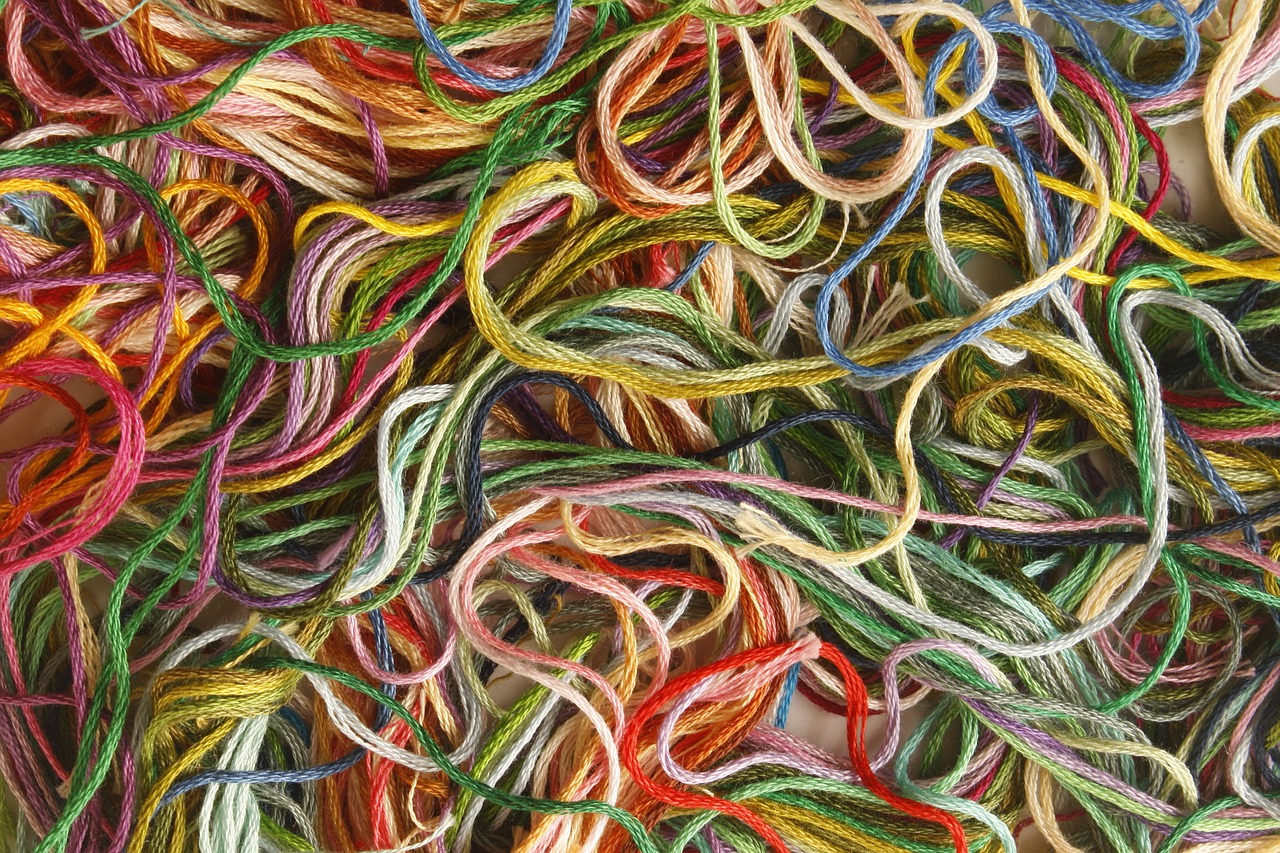
How To Find Your Place in God's KingdomI forget that I am only a turquoise thread.

And that my friend in Asia is a red one.

And that my husband is a green one.

And that the pastor in China being persecuted for his faith is a purple one.

And that God is weaving us all together in the beautiful tapestry of His rescue plan for the world.

Abraham was a thread.

Isaiah, Jeremiah, and Ezekiel were threads.

John the Baptist was a thread.

If my son chooses to follow Jesus, he will be a thread.

And maybe his children.

And maybe theirs.

The tapestry was started at the beginning of the world and won’t be finished until Jesus comes back to tie it off and hang it up on a wall in the New Earth.

Old Threads

In the Old Testament, the Israelites were called God’s chosen people, the nation He made a covenant with and blessed so that all the nations of the world would be blessed through them.

In the prophetic books of the Bible, the prophets called Israel as a nation to turn back to God. The individuals He used were always part of His plan in fulfilling His covenant to Israel, which found its ultimate fulfillment in Jesus’ death and resurrection.

He was the perfect Prophet, Priest and King.

How To Find Your Place in God's KingdomThere were times when I tried to live the Christian life as if I were building a resume.

I tried to do good works for God and thought that if there were enough impressive deeds on there, I would be worthy to be used (which forced me to compare my works with others’ works).

But when I remember that God doesn’t need me but has still created me in His image and chosen me as His child, desiring for His power to flow through me (and using my unique personality as part of it), I am free.

No longer do I have to try to be loving, joyful and forgiving in my own power. I can invite Jesus to be loving, joyful, and forgiving through me.

God is also free to use me in the best way I fit among all the other people He is using to bring His salvation to the world.

Praying As Part of the Tapestry

When Jesus was on earth, He gave some guidelines for prayer. I’ve said the Lord’s Prayer in corporate settings, but it wasn’t until I meditated on the verses in my personal devotions that I realized I might not want to take out the plural wording in all my individual prayers.

Because sometimes, I need to worship Him as our Father.

I need to remember the church around the world when I ask for His kingdom to come and His will to be done.

I need to ask Him to give us daily bread, providing for not only my needs but the needs of the woman who lost her husband and the church that got burned to the ground by those who hate Christians.

I need to ask Him to forgive me for my sins and all the ways that we as the church around the world have failed, and to pray for God’s forgiveness to flow through us to others.

I need to pray that God would help us in the temptations that threaten to pull the church down, and that we would be delivered from the spiritual attacks of the evil one.

It’s a way to help remove the focus from me and put it back on God.

Then when I see God use someone to lead another in a commitment to faith, I can rejoice in how God is using us to bring more into His kingdom, instead of feeling guilty I haven’t shared enough.

I can thank God for the ministries He is using to bless those in bondage to poverty, corruption, and slavery, even if I can’t give financially to each one.

When I’ve hurt someone and feel like I shouldn’t be free to accept God’s grace and forgiveness again, I can remember all the times He gave it in the Bible and in the lives of those around me.

When I feel I can’t overcome a temptation any more, I can remember that all Christians must battle the powers of darkness and struggle with sin until it is annihilated in the end.

I used to think praying for people was like casting a fishing line in different directions.

Cast. Pray for this person. Reel in. Cast again.

How To Find Your Place in God's KingdomBut it’s really more like a net.

As we pray, encourage, and support one another, God chooses to work through the criss-crossing lines of everyone’s prayers to fulfill the beautiful work of bringing people closer to Jesus.

When we look at the tapestry of God’s plan, it won’t all look the same.

Some tapestry threads might get more recognition on earth than others.

Some threads might be barely noticed.

But God desires each one to be surrendered to how He wants to weave us into his masterpiece.

I don’t have to worry that I’m not being awesome enough. I can instead delight in the fact that I’m His precious thread, a thread He was willing to give His life for.

Will you join us in asking how God wants to use your thread?

What is one area outside your influence where you rejoice to see members of the Body of Christ at work?

20 Things My Toddler Taught Me

20 Things My Toddler Taught Me1. People are more important than possessions.

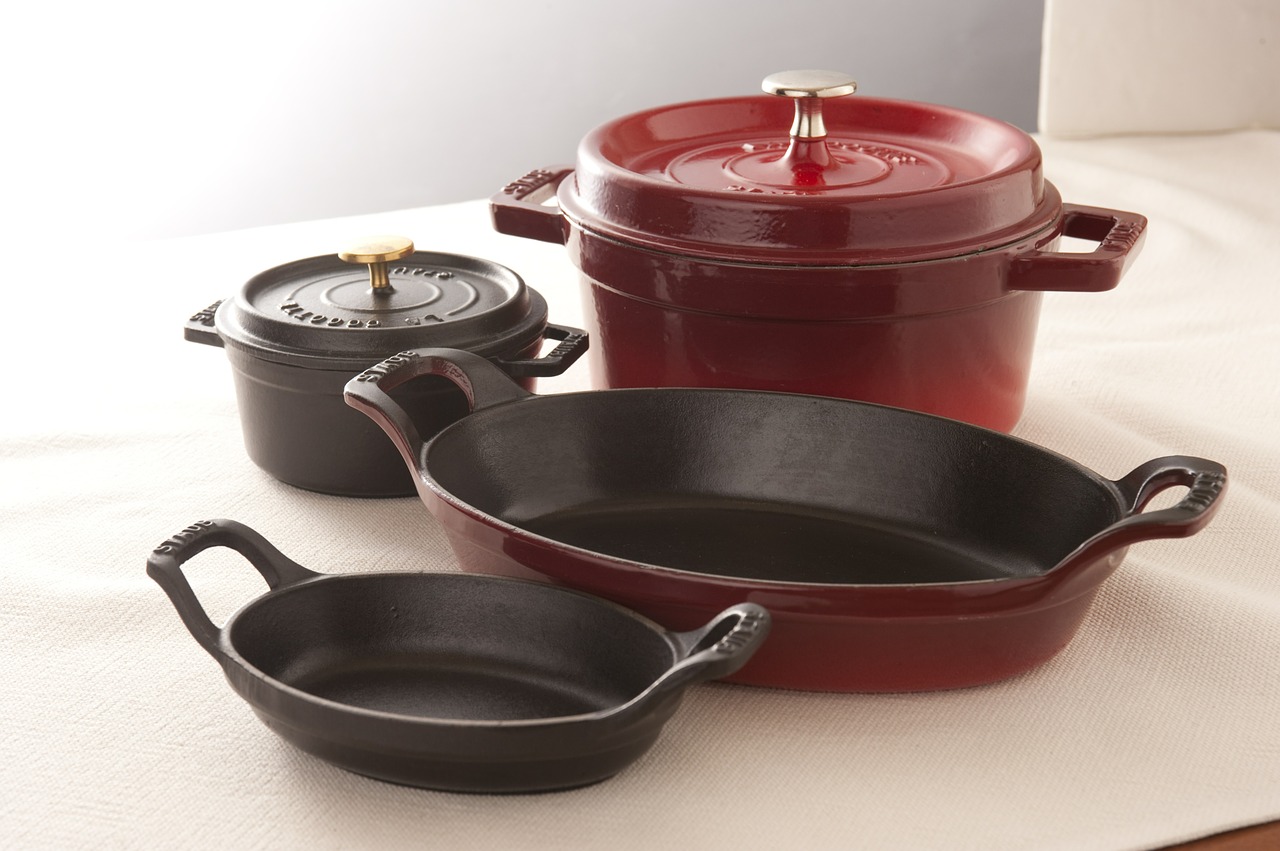
He was digging through the cupboard of pots and pans and I hadn’t heard any alarming crashes. But when I went to put the pans away, I saw my crimson-glazed 9 by 9 baking dish in three pieces on the floor. After a few minutes of feeling sorry for myself, I realized I’d rather have my son than an intact dish.

2. Laughter is not something to ration out. (Or other expressions of joy, for that matter)

If Isaiah is pleased, he is usually laughing. If his older cousins are laughing, he joins right in. A sliced open watermelon elicits a “Wow!” Being chased or pursued brings squeals of delight, especially if it involves his daddy pretending to eat him in the end.

Maybe if I laughed that much, I’d feel better about my day, too.

3. Life is richer when lived in the present.

I’m amazed at what Isaiah notices when we are out and about. He watches a semi barrel down the road, points to birds flying in the air, hears crop dusters fly by, and notices each child in the grocery store. So often my thoughts are wrapped up my to-do list or if I said the right thing during a conversation the night before.

Maybe if I observed the world a little closer, I’d appreciate it more.

20 Things My Toddler Taught Me4. Social media can lure me in like a fly to a spiderweb (and mess up my priorities).

Sometimes when Isaiah starts to fuss, my thought is, “How many more emails or messages can I go through before he gets really loud?” The bursts of interruption when I’m in cyberworld help me to remember that making supper is important and so is reading books, teaching Isaiah the difference between a yak and a giraffe.

5. Surrendering to the unexpected can be healthy.

Whether a diaper soaks through or he just wants me to read him “Do Cows Meow?” again, Isaiah has taught me to let go of my plans and enjoy moments of beauty, like a butterfly looping in the air instead of trying to save it for later and crushing it in the process. He loves it when I invite people over or my sister-in-law stops by. It may be just what I needed.

6. I can’t do this parenting thing on my own, (or this life thing, really).

Through crying, tantrums, and confusion (on both our parts), every day I am reminded that I need Jesus. Without His help, I can’t help but react in frustration and anger. I can’t show my son the patience he needs.

20 Things My Toddler Taught Me7. Asking intentional questions can be scary and wonderful (because life is short).

Having a conversation with another mother of a toddler is like being a trapeze performer talking to a lion tamer during a three ring circus. Your mind is always partially occupied with something else. Since it’s hard enough for us to get in close proximity enough to hear each other, each moment is precious. I don’t want to miss a chance to find out how she is doing. Does it matter whether my child is potty-trained or not yet?

8. Plans can be changed.

I used to think if I figured out a schedule to live by and kept to it like a military private, I would feel satisfied and productive. Instead, it felt a bit like a noose in the year before Isaiah was born. If I didn’t take that morning walk, I’d be failing in doing what’s best.

Some days Isaiah prefers more attention, sometimes he needs to just get outside, and when that nose starts to run, he needs a little more TLC and quarantine.

If I surrender my days to an unchanging God, who always knows what is best, I can trust Him to lead me in the rhythms of life.

9. It doesn’t always feel more blessed to give than to receive.

I don’t like sharing my last bite of cupcake with Isaiah. I certainly didn’t feel like getting up to feed him during the night when he was a baby.

But each time I struggle with my own selfishness, it gives me the chance to run to Jesus. He is always there to sympathize with our weaknesses and forgive us when we ask (Hebrews 4).

20 Things My Toddler Taught Me10. My son is not a reflection of me.

When he sends cars flying off the coffee table, when he makes burping sounds and laughs, when he dives onto the couch cushions, I know he’s not me.

But when people are watching, when he rips a truck out of the hands of another toddler, when he cries because he can’t push the buttons on the grocery store card reader, it’s easy to think I’m at fault.

If I let myself worry so much about how I’m perceived, I might forget the shepherding and training I’m supposed to be focusing on.

11. It’s important for me to stay healthy.

When I take time to practice creativity through writing or take some time in the evening to get lost in a novel, I often feel more energy to embrace the cooking, laundry, and moments of teaching and discipline.

If I’m determinedly checking off a too-long list of tasks, requests for help or a listening ear can be met with anger or self-pity. Even toddlers can catch these vibes.

12. I’m not in control. (Was I really able to live under that illusion before?)

When Isaiah’s skin felt like it had been baked in an oven, we couldn’t heal him from his fever.

When he gets older and is pelted by hurtful words, I won’t be able to stop it.

But I can keep giving my son up to our loving Father who’s got the whole redemption story worked out and wins in the end.

13. It’s okay to not always feel understood.

Isaiah is learning to talk, and about half the time I have no idea if he’s trying to recite the preamble or tell me about his time at Grandma’s. Even when he’s repeating a word over and over, in increasingly panicky tones, sometimes I just don’t get it.

There are times when I feel I’m doing the same thing, trying to put into words how I feel or what I wish would happen. Sometimes, people won’t understand no matter how hard I try. That’s okay, because the Spirit totally understands and intercedes for us when we can’t even find the words to pray (Romans 8).

Sometimes it’s better to just split a banana smoothie with Isaiah and sip it in silence, anyway.

14. Sometimes efficiency is unloving.

I have often thought my husband would be happy if I got the house cleaned up before he got home, but usually I’d run out of time and try to listen to him and follow a recipe at the same time. When I’d try to get the dishes cleaned up quickly, I’d feel tense and ungrateful for Husband unloading the dish drainer.

Sometimes I don’t want to take the time to kiss boo-boos or talk to Isaiah’s stuffed bear.

Sometimes I absolutely have to get something done—but usually it can wait a few minutes.

15. Daddies like it when we take an interest in what they’re doing.

Whether it’s watching fighter jets on youtube or punching out the pieces to a new board game, Isaiah is almost always right by his Daddy’s side. When I join in on hearing Christopher’s passions, we can enjoy our time together as a family.

20 Things My Toddler Taught Me16. Trying new things and looking silly is worth it.

All day long, Isaiah tries to imitate what we are doing—yoga stretches, cooking, putting on deodorant. He usually misses a few numbers when counting to ten or singing his do re mi’s. But he tries. He’s not afraid of messing up.

What if I allowed myself the same freedom?

17. God loves me just as I am.

Isaiah doesn’t contribute too tangibly to society yet (unless you count dirty diapers and food art). He doesn’t help too many old ladies cross the street or wash the dishes.

And we love him like crazy.

If we don’t expect Isaiah to earn our pleasure by his performance, why do I let myself feel that way about God?

18. It’s okay to cry when something hurts.

Isaiah probably cries three or four times a day from trips, stubs, and pinched fingers. Sometimes letting it all out can get us back to zooming our tractors around again.

20 Things My Toddler Taught Me19. Being messy can be liberating.

Isaiah doesn’t mind when his hands and neck are sticky with watermelon juice. He doesn’t care if the toys are picked up. He still drops his spoon.

Sometimes grimy hugs are more important than keeping my clothes clean.

Sometimes risking messy relationships is better than not having them at all.

20. There isn’t always a right way of doing something.

Why eat your strawberry slices with a fork, when you can stick your fingers through them? Why tear your lettuce into a salad when you can dip the stalk itself into ranch dressing?

When I spend too much energy making sure my family does things the right way, it stays in the air like a stinky diaper, distracting from more meaningful conversation.

Thanks, Isaiah, for putting up with this mama of yours.

Thank you, Father, for loving me as I am, but also loving me too much to let me stay that way.

What’s one thing your kids have taught you? I’d love to hear.

When Ordinary is Not Wrong

When Ordinary is Not WrongWhen I was nine years old, I told anyone who asked that I was planning to be a missionary orphanage worker. I toted my American girl doll Addy to school for career day (pretending she was an African orphan).

I decided that I was going to adopt twin girls from Africa (since I’d heard that in some of the tribes twin babies were left to die because one supposedly had an evil spirit), and also adopt a little girl from China (since boys were preferred in the one-child policy).

I supposed it would be okay to give birth to a boy, since I hadn’t heard of any bad stories about them.

When I started college, my career aspirations shifted to becoming a public school teacher, shining the light of Jesus among the other teachers and students.

After Christopher and I got married, I ended up teaching for a year at a Christian school and prepared for yet another change in plans.

Since the time we’d started dating, Christopher and I had decided to move overseas and share the gospel with those who hadn’t heard. We spent six weeks in Iraq and made plans to join the team preparing to go long-term.

When we felt the Lord’s redirection to delight in Him and share Him in Delaware, it felt so small.

It was a lot more exciting to share plans of adventure with people than stories about Isaiah calling out for his daddy at the top of his lungs in Walmart (even though Daddy had already been at work for a few hours).

When Ordinary is Not WrongAt times a fearful thought would fill my head with the pressure of a fire hose. What if I’m not doing what’s right? What if God wants me to be doing something else?

What if the mornings lingering over devotions and other reading, the time spent reading books to my son or making his stuffed animals talk to him would be better spent doing something else?

What if I should be fulfilling this or that need in the community? Someone has to, after all.

How could my life be pleasing to the Lord when everything feels so—ordinary?

What if I’m doing something that is keeping God from using me like He wants to?

My mentor Natalie asked me a question once that made me almost drop the phone in surprise. “Is God there to catch you and accept you regardless?”

She reminded me that our problems are so much more than we realize.

If God were to point out all my faults, sinful tendencies, and weaknesses, I’d probably want to hide in a cave and never come out.

If He condemned me for them, I would go to hell. (Romans 6:23)

Natalie said that God knows the true problems in our hearts and wants to meet our deepest and greatest needs with Himself.

When Ordinary is Not WrongBecause of Jesus’ death on the cross, our past, present, and future sins are paid for. (John 3:16)

I believe Satan is satisfied with anything we let tear our focus away from God, even if it’s the fear of being too ordinary.

Here are three questions I try to consider when I can’t tell the difference between my own concocted good deeds and God works:

1. Am I spending time with God?
If I’m not setting aside time to read God’s Word, pray, and find times of Sabbath rest, it will be much harder to seek His direction, delight in my relationship with Him, and be open to His conviction.

If my mind isn’t being filled with truth, condemnation and lies can weasel their way in until they bully out all the good thoughts.

2. Am I valuing the roles He’s placed me in?
Our culture values individuals. We rejoice when we see one man move up the ladder of success by sheer grit and determination. It can be exhausting if we’re trying to do the same thing with a toddler hanging off our waist and a husband who wants a hug and a listening ear after work.

It can be easy to resent the people God’s given us the most access to love.

When Ordinary is Not Wrong3. Am I talking to God about my activities so that if He redirects, I’m available for the good works He’s prepared for me to do? (not the good opportunities that seem to come at me from all sides like balloons in a waterballoon fight.)

Most people in the Bible didn’t convince God to use them a certain way. In fact, they were doing pretty ordinary things.

  • Joseph was babbling his dreams to his brothers and checking up on them for his father. (Genesis 37)
  • Moses was taking care of sheep in the wilderness. (Exodus 3)
  • Gideon was hiding from Midianite enemies while threshing wheat in a winepress. (Judges 6)
  • Mary was probably helping her mom in her household, preparing for her marriage to Joseph. (Luke 1)
  • Peter, Andrew, James, and John were fishing. (Mark 1)

And when the people in the Bible did try to do awesome things, they usually forgot God in the process.

  • Samson got his eyes plucked out and was obsessed with revenge even at the end of his life when he pushed the pillars down to kill a bunch of Philistines. (Judges 16) (Click here for some excellent Bible study podcasts on the book of Judges by Jen Wilkin.)
  • Gideon refused to be king, but instead made a golden ephod, which the people worshiped. (Judges 8)
  • Saul got scared when the prophet Samuel didn’t come before a battle and offered an unauthorized sacrifice. (1 Samuel 13)

Some short prayers I try to remember to pray (especially in times of confusion or false guilt) are:

“Jesus, would you help me to enjoy you today?”

“Father, I invite you into this day. Would you go before me and show me where You would have me love and serve?”

“I surrender my plans to You, Holy Spirit, and trust You to lead me.”

“Thank you for loving me even when I do sin. I ask for your conviction and freedom from any condemnation.”

“Would you make me more like you today, Jesus?”

I don’t know what my life will look like tomorrow, much less ten years from now. (Maybe He will bring those twins from Africa.) But I don’t want to live in shame or resent the ordinary tasks God is entrusting me with.

Because is any work God does really ordinary?

Is there a “good work” that needs surrendering? Is there a less noticeable one God is leading you to do instead?

Why You Don’t Have To Be an Extrovert To Be Brave

Why You Don't Have To Be an Extrovert To Be BraveI was in 8th grade, and our family had just moved to a new state. In the past, my gym experience had consisted of making sure the teachers knew I was trying, and not looking too relieved when I got hit with the dodgeball and could sit on the sidelines.

In most team sports, I could run around and still become translucent enough for the other kids to forget to pass me the ball.

But this new school implemented a torture program called skills tests. The teacher would grab her clipboard and check our names off if we bumped the volleyball in the air 100 times in a row. (Okay, maybe it was only 10 times).

I had enough coordination to play a Mozart Minuet on my violin, but could not, for the life of me, get that volleyball to return to my clutched hands when I bumped it into the air.

The other kids stood around watching me (or maybe they’d already started to head to the locker room to change), and there I was, chasing after my renegade volleyball with the gym teacher telling me to try again.

I concluded that I’d be able to save myself a lot of pain and embarrassment if I avoided these situations as much as possible. Since my parents wouldn’t let me homeschool gym class, I had to continue risking my GPA and dignity.

But there were plenty of other chances I could put my theory to work.

The youth group was getting together to play soccer? Offer to take pictures instead.

The summer camp was doing a relay involving shaving cream and wet thrift store clothes?
Find some other girls who wanted to be cheerleaders on the sidelines with me. (And who were also equally disgusted with the idea of jumping in a mud pit for fun)

It seemed to work fairly well, pretending everyone else was on some reality show that I couldn’t join even if I’d tried. (I’d even whisper jokes into my friend’s ear sometimes, because I knew she’d be brave enough to say them out loud and make people laugh.)

But soon these ideas bled into almost all of my relationships and thoughts.

Introduce myself to the new kid at church? What if I don’t know what to say?

Speak up in Sunday School class? I’ll probably stumble over my words, and people will be wishing the whole time that I’d be quiet so someone more capable could vibrate their vocal cords.

Play my violin on the youth worship team? Worship teams don’t have violins, and I might ruin the song with wrong notes.

Pray out loud with someone? What if I get so nervous I say something heretical or there is a long five-second silence?

Over the years, Jesus has used mentors, friends, and His Word to open my fist enough for some of the fears to slip away.

Here are three things I learned (and am learning) in the process:

Why You Don't Have To Be an Extrovert To Be Brave1. It takes practice.
Once I started introducing myself to a few people, it became less finger-numbing and sweaty. I found myself asking similar questions to find out about their lives.

I’d steal my husband’s question and ask what they did for fun. I’d volunteer some information about myself and my interests. Each time it got a little easier, (with a few awkward moments still sprinkled in there to keep me on my toes).

When I’d make a comment in a class, sometimes no one would grab onto it as I silently reeled in my empty fishing line of thoughts. I’d go home and replay the scenes in my head, wishing I’d said something different. Sometimes, I’d ask for Jesus’ help to not think about it anymore.

He caused me to realize that before I started contributing my thoughts, I would always wish I’d been brave enough to say something.

One summer in high school, I shared with my camp counselor about being afraid to speak up. She challenged me to think about what I would be selfishly keeping from the Body of Christ by not sharing the insight I’d learned.

When I was finally brave enough to join the worship team, I got to use the classical musical knowledge I had gained in a new way, adding harmonies to the guitar chords like sprinkles on a cup cake. And I even made some friends in the process.

Praying out loud became easier when I “practiced” praying in my private devotions, asking myself what I really wanted God to do in people’s lives, how I wanted them to feel His grace and love in their pain, and look to Him when they were struggling. (An exciting added dimension in this stage of life has been praying with someone while keeping an eye on my toddler who likes to soak himself at the drinking fountain.)

Why You Don't Have To Be an Extrovert To Be Brave2. It takes focusing more on the other person than on myself.
Sometimes, if someone asks me a question in front of a group, I feel like I have a personal court stenographer who’s going to write down everything I say and read it back so everyone can laugh at how un-eloquent I am.

But when those fears threaten to tie a gag around my mouth, I have to remember where my identity comes from. It’s not about what I say and do. It’s about finding my confidence in Christ’s finished work on the cross.

Only when I know my identity is secure can I invite others to delight in Him as well. I can risk some awkward silences and miscommunications.

If it’s more about showing others God’s glory than looking good ourselves, it doesn’t really matter whether we could have been more witty or intellectual-sounding.

In fact, maybe our fancy words would have just gotten in the way, like trying to convince someone how delicious a souffle is before letting them taste it for themselves.

3. It takes grace. Lots of it.
It’s not easy to admit to being wrong or have someone disagree with me. It’s scary to feel misunderstood. But I’m reminded that I’m not alone when I read the gospels and see how many people disagreed with and misunderstood Jesus, who was perfect. It might not be me they are rejecting.

And when I do say something I wish I hadn’t, I can always ask for forgiveness and accept the grace Jesus offers every second of every day.

Sometimes I still like to just listen and observe. I don’t want to try to become an extrovert. But I also don’t want to miss the chances that God wants to love someone through me.

Jesus, show us how to bravely love like you this week. We are yours.

5 Ways to Fight Fear

5 Ways to Fight FearThe dreams all happened over the course of a few nights.

A dream that our friends got divorced.
A dream that a friend’s baby died.
A dream that another friend got cancer.

For some, these tragedies are reality. For others of us, they are part of the battle against fearful thoughts.

If all our fears were unfounded, we could probably talk ourselves out of it.
But in this broken world, pain will invade us until Jesus comes back to destroy evil once and for all.

Those who don’t know Christ have a lot to fear. But if we have surrendered our lives to Jesus, His Spirit lives inside us.

We have weapons for the battle.

When I was pregnant with Isaiah, I remember being so afraid I would have a miscarriage.
In his first newborn weeks, I worried if I couldn’t hear him rustling around on the monitor during the night.
There are times even in this toddler stage that my mind jumps to fear when I’m in the kitchen cooking dinner and haven’t heard him make noise for a while.

Sometimes the “what ifs” can be suffocating, squeezing the air out of more positive thoughts.

Here are 5 ways I’ve fought in the battle against fear:

5 Ways to Fight Fear1. Remember that it takes intentional fighting.
Ephesians 6:10-11 says, “Finally, be strong in the Lord and in his mighty power. Put on the full armor of God, so that you can take your stand against the devil’s schemes.”

Author and speaker Steve Wibberley talks about the importance of daily putting on the armor of God in his book, Knowing Jesus is Enough for Joy. We can be prepared for the battle by praying through each piece regularly.

  • The Belt of Truth: proclaiming the gospel to ourselves and acknowledging our identity in Christ (that we are loved, cleansed, and commissioned for His work)
  • The Breastplate of Righteousness: claiming God’s righteousness on our behalf, accepting His forgiveness for when we do sin
  • The Shoes of Peace: asking for strength to forgive others who hurt us and to love everyone we interact with
  • The Shield of Faith: praising God, even when things are difficult, trusting His work in our lives
  • The Helmet of Salvation: thanking God that “my significance and security come from Him and that they cannot be taken away by any person or circumstance.” (Wibberley 69)
  • The Sword of the Spirit: memorizing the Word and praying through what God is saying through a passage, relating the principles to our own lives. Here’s an example from Nehemiah:

“Thank you, Lord, for the grace you showed to the Israelites as they rebuilt the city walls and renewed the covenant, knowing that they would break it again soon. Thank you for extending that grace to me when I forget you and decide to wallow in self-pity, and for when I’m tired and short on patience with my husband and Isaiah.”

2. Remember whose side you’re on.
Sometimes it helps me to step away from my limited perspective by meditating on attributes of God that I have experienced or recently observed in Scripture.

Lover of sinners.

Creator of the universe.

Worker of everything good.

Gentle Shepherd.

Sovereign over all creation.

Redeemer of all my past, present, and future sins.

Grace-giver.

Promised Conqueror of all that is evil.

3. Remember that it’s not wrong to be afraid.
It’s encouraging to me when I think about how many people God used in the Bible who were afraid.

God said, “Do not be afraid” to Abraham, Moses (over and over during his ministry), Joshua, Elijah, Jeremiah, Joseph, Mary, and Paul, but it was not an accusation. It was a reminder that He was going to be with them in the special purposes He had for their lives.

Even Jesus was afraid. When Jesus was in the Garden of Gethsemane, waiting to be arrested, He said, “Now my soul is troubled, and what shall I say? ‘Father, save me from this hour’? No, it was for this very reason I came to this hour. Father, glorify your name!”
Then a voice came from heaven, “I have glorified it, and will glorify it again.” (John 12:27-28)

4. Remember the psalmists.
What I love about the book of Psalms is that one moment the writer is pouring out his feelings and frustrations to the Lord, and then by the time he reaches the end of the psalm (I picture him gritting his teeth), he declares his trust in God, even if he can’t see how God is going to fix his problems. (see Psalm 13, 28, 35, 42)

God wants to listen to the emotions going on inside of us and has given us words of faith we can pray with the psalmists.

A few weeks before Isaiah was born, my midwife encouraged me to find verses of faith to cling to as I approached the unknown of childbirth.

Here are a few examples of those words of faith: (Many of these examples are taken from Gaylyn William’s book All Stressed Up and Everywhere to Go).

Psalm 56:3-4–When I am afraid, I put my trust in you.
In God, whose word I praise—
in God I trust and am not afraid.
What can mere mortals do to me?

Psalm 68:19–Praise be to the Lord, to God our Savior,
who daily bears our burdens.

Psalm 27:14–Wait for the Lord;
be strong and take heart
and wait for the Lord.

5 Ways to Fight Fear Psalm 46:1-3, 10-11–God is our refuge and strength,
an ever-present help in trouble.
Therefore we will not fear, though the earth give way
and the mountains fall into the heart of the sea,
though its waters roar and foam
and the mountains quake with their surging.
He says, “Be still, and know that I am God;
I will be exalted among the nations,
I will be exalted in the earth.”
The Lord Almighty is with us;
the God of Jacob is our fortress.

5. Remember our final destination.
Sometimes the things we fear do happen.

Here are John’s words to one of the churches facing a fearful situation in Revelation 2:10: “Do not be afraid of what you are about to suffer. I tell you, the devil will put some of you in prison to test you, and you will suffer persecution for ten days. Be faithful, even to the point of death, and I will give you life as your victor’s crown.

Maybe the pain feels so raw and gaping that you can’t remember what happiness felt like.

Paul reminded the church in Corinth, “For while we are in this tent, we groan and are burdened, because we do not wish to be unclothed but to be clothed instead with our heavenly dwelling, so that what is mortal may be swallowed up by life. Now the one who has fashioned us for this very purpose is God, who has given us the Spirit as a deposit, guaranteeing what is to come.” (2 Corinthians 5:4-5)

In Christ, there is always a hopeful future.

Randy Alcorn helped me to put this into perspective. He illustrated that our lives right now are a dot, but eternity is a line. (You can read more thoughts on heaven here.)

5 Ways to Fight FearThere might be a lot of pain packed into that little dot, but the line won’t even have a hint of it.

We will encounter fearful situations. Fearful thoughts may come when we least expect it. But Jesus is always ready with His peace.

“Peace I leave with you; my peace I give you. I do not give to you as the world gives. Do not let your hearts be troubled and do not be afraid.” (John 14:27)

Calling out His name is a great place to start.

How will you battle against fear today?

How to Add More Relational Passion to Your Marriage

How to Add More Relational Passion to Your Marriage “How was your time last night?”

Christopher’s face lit up like a thousand fireflies as he recounted the people he’d met, the board games he’d played, and the strategy he was able to execute perfectly.

His passion for people and board games flowed out of him as he talked, permeating the room like brownies baking in the oven.

My words slipped into the space he left behind as I explained the mind-bending plot twist in the novel I’d just finished, while we watched Isaiah zoom his cars along the floor.

Sometimes I tell him about the premise of the sweet romance I watched with friends. Or I get to talking about my own novel I’m writing, as I’ve discovered new depths to my characters’ interests and motivations.

It feels a little like when we were dating—when we couldn’t wait to see each other again and catch up on the details of our lives as if we were going to be tested on them.

Much-Needed Marriage Advice
One of the best pieces of marriage advice I received before my wedding came from my sister-in-law, Queena. She encouraged me to support my husband in something he enjoys doing without me.

What? But won’t our relationship grow better if we’re together? He is at work all day, after all.

As a new bride, it was easy for me to want my husband with me all the time. We had a number of shared interests and enjoyed being together.

I felt safe with him, and I didn’t have to make the effort to call anyone else or risk the rejection I felt if they declined.

The problem was, Christopher couldn’t meet all of my needs, because it’s impossible for one person to do.

I’m so thankful for the times when our family does do things together, but living with two members of the opposite gender, I realized I needed some time with the gender that thinks a little more like me.

Someone who understands when hormones cloud my logical thinking–and knows how to make sympathetic sounds and nod at the right time.

How to Add More Relational Passion to Your Marriage And as I share life with friends, I can learn about their passions. Sometimes, I’ll ask a question like, “What are you enjoying about life?” to get the conversation going.

The Universe-Shaper God created us in His image, like the different colors and pieces in a stained-glass window. How could we not want to explore and appreciate each tiny pane?

My time apart from Christopher has also caused me to look at myself and discover which creative pursuits energize me. (You can read more here.)

Working Out Expectations
There have been times when life’s been moving so fast, we’ve needed to guard our time with each other. Sometimes our expectations haven’t matched up, and we’ve needed to be honest with each other about feeling smothered or distant.

I know my husband will always feel energized by being with people on Friday nights (or singing with his barbershop quartet). Sometimes I get together with a friend while he’s away, but other times I’d rather just lose myself in a novel.

Then, when we come back together, we have more to give. We don’t have to be as concerned about getting all our relational needs filled from each other.

When we have people over as a couple, we can delight in practicing hospitality together, adding our individual interests and passions to the conversation.

Plus, Isaiah gets to see his mommy and daddy enjoying life (and learn that it doesn’t all revolve around him).

How to Add More Relational Passion to Your Marriage When Christopher and I are excited about life, our passions curl us even closer together, like a blanket. And when I just don’t get the draw of a space-themed strategy game he played with one of his friends, I can still delight in his joy (and the way his eyes squint when he’s happy).

What is your husband passionate about? I’d love to hear!

The Danger of Wanting to See Results

The Danger of Wanting to See ResultsOne summer in high school, I noticed a billboard on my way to work that said, “We took immediately and made it faster.”

We live in a culture of microwaved food, vitamin supplements, and exercise programs promising to burn our fat faster.

You want to grow your hair faster? There’s a shampoo for that.

Now that my son is a toddler, he loves to run as fast as he can (not usually paying attention to obstacles obstructing his path).

Why would we want to do anything slowly if we can get a similar result faster?

Growing up, I measured my nine-month schoolyears by twice a year report cards.

I went on short-term mission trips.

The Danger of Wanting to See ResultsGetting married was one of my first decisions where I couldn’t picture the end.

When I got pregnant with Isaiah, we waited the designated nine months to meet him, and then he was here.

For good.

There was no putting him back where he came from.

There would be no days off unless they were carefully arranged.

For the first months of his life, he would even receive all his sustenance from me.

No Test to Ace
I realized that in motherhood there were no periodic evaluations, final exams, or times specifically devoted to reflecting on my performance.

It was just . . . doing life.

No one was telling me if I did a bad job.

When we felt the Lord redirecting us from the goal of moving overseas (you can read more here), I spent time questioning my purpose.

What if I couldn’t see how God was choosing to use me?

What if He didn’t choose to use me at all?

My mentor Natalie reminded me that “Being used by God is a byproduct of my relationship with Him.”

The Danger of Wanting to See ResultsMy focus can’t be about achieving results, because . . .

God wants my heart.

If I use my performance or relationships with others to make me feel significant, I will always be disappointed in the end.

If my contentment in Jesus is based on how I can or cannot see Him using me, it will be easy to fall into the comparison trap (you can read more here).

Mothering Like Jesus
At the height of Jesus’ ministry, He often went to quiet places to be alone with His Father. He blessed children when He could have spent the time healing more people and seeing immediate results. (Mark 10:13-16)

Do I want my son to see a mom who is obsessed with evaluating performance?

What might he conclude about my love for him if that’s my highest concern?

Melissa Kruger, in her excellent biblestudy on Walking With God in the Season of Motherhood, wrote that our “hope is to have God impact our own lives in such a way that His imprint on our hearts makes a lasting impression on our children…. If we want peaceful, hopeful, kind, and compassionate children, it is essential that we grow in these graces ourselves. In the beauty of God’s design, He is in the process of parenting us as we parent our children.”

A Patient God
If we look at God’s plan of redemption, we are reminded again and again of His patience.

He is not in a hurry.

If He were, He wouldn’t have made Sarah barren for so many years.

He wouldn’t have put up with the Israelites flailing around in their sin and choosing to remember Him only when they were in trouble.

He wouldn’t have preserved a remnant when conquerors came, one after the other.

He wouldn’t have come to earth as a baby and then entrusted the message of the gospel to a small group of disciples.

If God were in a hurry, I’m pretty sure none of us would have had the chance to be born.

The Danger of Wanting to See ResultsGod wants us to abide in Him as grapes on His vine Jesus (John 15). He wants us to enjoy Him, ready to be squeezed into a precious bottle of wine when the time is right–so that if visible results do come, our first response won’t be to feel good about ourselves.

It will be to worship Him.

Here are seven snippets of truth my mentor Natalie shared with me for when I struggle to see results.

1. Submit your time table to God.

2. Remember that only Jesus brings true satisfaction.

3. Rejoice that His burden is light. (Matthew 11:30)

4. Realize that you don’t need to have all the answers at once. (He’s got it under control.)

5. Recognize that God’s kingdom almost always looks different from the world’s view of success.

6. Invite Him into every part of your life (even the boring diaper changes and laundry).

7. Ask God to help you rejoice in the beautiful works that are being done by others.

Will you ask Jesus to help you enjoy Him today?

When Your Weakness is Beautiful

When Your Weakness is BeautifulThe pain crept in slowly, but by the time I laid my head on the pillow, I was nearly in tears. It wasn’t only the stiff throbbing that had settled again in my neck and shoulders.

It was the fear that I would be forced to go back in time and relive the ten years of daily chronic pain and thought patterns that accompanied it.

Christopher prayed for me, and the next day I felt so much better. But when the pain started to sneak back the following day, I was ready to start paying more attention to my limitations and take the physical, mental, and spiritual rest that I needed to find relief from the pain.

Why would God want to use someone so. . . weak?

When Your Weakness is BeautifulIn our culture, women are supposed to be able to do it all–hold a job, raise children, work out at the gym, cook and eat healthy meals (from their own garden), and still find time for relationships.

As believers, we don’t only want to keep our children alive, but we want to shepherd their hearts. We want to respect and bless our husbands. We want to serve as members of the Body of Christ. We want to engage with people on a heart level and pray for their needs.

If we were stronger and had more stamina, wouldn’t we be able to do more for God?

Boasting About Weakness
In 2 Corinthians 11:16-12:10, Paul talks about all the hardships he endured for the sake of the gospel. (think prison, floggings, stonings, and shipwrecks)

He could have gone around telling people how he’d stood strong in his suffering and was still doing the Lord’s work.

He could have told people that they should be able to do it all, too.

But in His infinite wisdom and love, God gave Paul a thorn in his flesh. He begged for God to take it away, but he received an answer better than healing.

He received a new perspective.

” But [God] said to me, ‘My grace is sufficient for you, for my power is made perfect in weakness.’ Therefore I will boast all the more gladly about my weaknesses, so that Christ’s power may rest on me.” (2 Corinthians 12:8) 

When our strength, efficiency, and accomplishments are taken off like layers of a ball gown and we stand there shivering in our undergarments, there is still Someone who can never be removed because He lives inside of us.

When Your Weakness is BeautifulThe God who designed each galaxy and forms every one of the billions of cells in every person on the planet chose to send His Son to pay for our sins, so that He could dwell in us and do beautiful works through us.

After Job lost everything and was sitting in the dust, scraping at his sores, he said, “Though he slay me, yet will I hope in him .” (Job 13:15) By the end of the book, he knew the power of the God he served. “My ears had heard of you
    but now my eyes have seen you.” (Job 42:5)

Maybe you were up all night with the baby, your husband came home from work discouraged, and when you finally sat down to read a novel, a friend called who needed encouragement.

Maybe you feel you have nothing left to give.

Or maybe it’s just a constant stream of daily tasks and responsibilities that seem manageable when you look at each day separately, but as the weeks go by, the water pressure keeps carving out a canyon in your heart.

The Shortest Prayer
If you look at God’s redemption story, woven from Genesis to Revelation, you can see that one of God’s deepest desires is for us to look to Him.

So when you don’t know what to say to yourself or others, try praying this: “Jesus.”

You can even whisper it if you’re in the middle of Walmart or holding a sleeping baby.

And then the Spirit may give you a few more words. Maybe just two: “Jesus, help!”

Maybe more.

When we let our Father take charge, we allow His power to work through us whenever He chooses. We don’t try to work ourselves to death trying to make it happen.

God used a barren woman to birth a nation.

God used a shy murderer to lead a people out of slavery in Egypt.

God used a teenage girl to raise the Messiah.

He didn’t have to use them. But when he did, there could be no doubt Who was doing the work.

So why does God bother to use humans at all?

Because He’s crazy about us. He created us in His image and calls us His children. (Romans 8)

When Your Weakness is BeautifulRight now, Christopher and I are celebrating each new word Isaiah learns. We can’t stop laughing when he sees a toy and shouts, “Awesome!” or drops something in his bib and says, “Oh, shoot.”

Don’t you think the Father who knit our bones and muscles together might feel the same way about us?

As we spend time in His Word and in prayer (including the one word ones), He’ll show us what to spend our energy on. As we let Him into all our weak areas, He may not fill us with strength. But it may open the way for something better–a deeper intimacy with Him.

Are you in?

Why Women in the Church Can’t Be Cheerleaders on the Sidelines

Why Women in the Church Can't Be Cheerleaders on the SidelinesDid you know that during World War I, more American women died in childbirth than American men died on the battlefield?

Women’s healthcare improved dramatically the next year once women we able to vote, but the pain of Eve’s curse hasn’t gone away.

Every day I am reminded of my physical weakness as I go about my daily tasks. I tire easily. I can’t open jars. When extra things are jammed into my daily toddler-filled schedule, I can barely keep up.

Sometimes I wonder. . .

Why did God make us physically weaker than men?

Why would he want to use us in our hormone-charged limitations when there’s another gender out there that doesn’t ride out their emotions on a 28 day cycle?

Fight Like a Girl
I recently listened to a talk by Bible teacher Jen Wilkin, who explored biblically what it means to “fight like a girl,” (referring to the female empowerment campaign that ran during the Superbowl).

She asked, “Are women’s contributions to the church nice but not necessary?”

Why were women created in the first place?

In Genesis 2, God created Eve to be Adam’s helpmate and work together in the beauty of the Garden. It wasn’t good for him to be alone.

So what does it look like for women to be, as Jen puts it, “co-laborers in the fight, and not cheerleaders on the sidelines?”

In Exodus 1-2, the Hebrews living in Egypt had multiplied so much that Pharaoh started to get scared. He told the Hebrew midwives to kill all the baby boys that were born, but that they could keep the girls alive. Since the midwives feared God more than Pharaoh, they told him that the Hebrew women kept giving birth before they had a chance to get there.

How many baby boys were saved because of these women, eventually growing up and guiding their families across the Red Sea to freedom?

Moses’ mother hid him after he was born, and God used him to lead the people out of Egypt.

Pharaoh underestimated these women.

Why Women in the Church Can't Be Cheerleaders on the SidelinesI’m grateful for our culture’s desire to value women.

But the beauty of womanhood is not in our ability to be equal to men.

God has gifted members in the Body of Christ differently, so that He can use us to touch all kinds of people.

Here are five ways God may want to use us because we are women:

1. Women are compassionate.

2. Women can empathize.

3. Women are brave. (Like a shepherdess who guards her sheep against a lion)

4. Women understand powerlessness better than men.

5. Women see needs that men may not see.

Men might unintentionally overlook widows, orphans, single moms and hurting children. They may not perceive when someone is living in fear.

They probably won’t ask:

Who might need to be nurtured?

Who might need someone to listen to their confusing flurry of emotions?

Why Women in the Church Can't Be Cheerleaders on the SidelinesA Parable for the Gospel
Jen Wilkin shared that when a woman gets pregnant, she makes herself weak for a designated period of time, delivers another by the shedding of blood, is restored to her former strength, and lives to intercede for that new life.

Could there be a clearer physical parable for the gospel? (Check out Philippians 2:6-11)

“Women, you are not an afterthought. What you contribute to the mission of the church is not of secondary importance.” (Jen Wilkin)

Are you ready to give Him the chance?

Click here to listen to Jen Wilkin’s 35 minute talk (with more humor and insight than I can usually conjure up).

Jen also has an excellent article on her blog about women and the church entitled, “More Pressing Than Women Preachers.” Click here to check it out.